
Simple Ways to Reduce Noise at Home for a Calmer Space
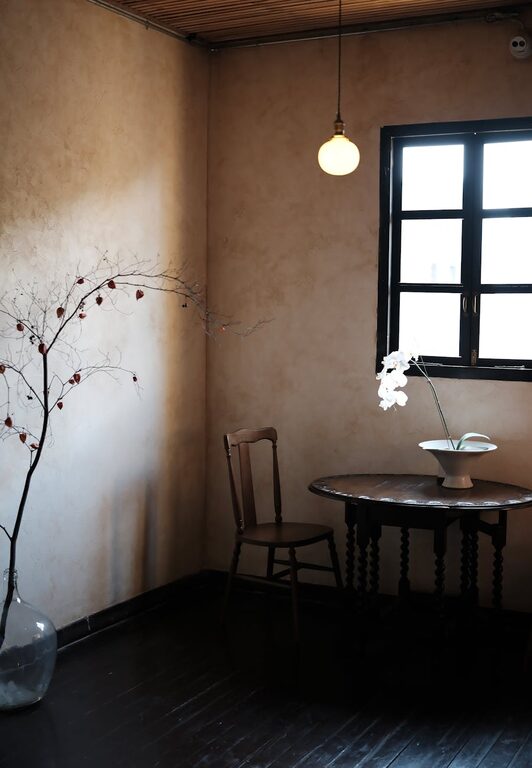
Creating a quiet and peaceful environment at home can greatly improve your comfort and well-being. Whether you live in a busy city or a noisy neighborhood, simple steps can help reduce unwanted noise and make your living space more serene. In this post, we will explore practical and easy ways to reduce noise at home, ensuring a calmer and more enjoyable atmosphere.
Understanding the Sources of Home Noise
Before tackling noise reduction, it’s helpful to identify common sources of noise in and around your home:
– Traffic and street noise
– Loud neighbors or shared walls (in apartments)
– Household appliances and electronics
– Footsteps, furniture moving, or children playing
– HVAC systems such as air conditioners and heaters
Knowing where the noise comes from allows you to choose effective solutions tailored to your situation.
Simple Strategies to Reduce Noise Indoors
1. Use Soft Furnishings to Absorb Sound
Hard surfaces reflect sound waves, amplifying noise. Adding soft furnishings can absorb those sounds and help reduce echo. Consider:
– Thick curtains or drapes on windows
– Plush area rugs or carpeted floors
– Upholstered furniture like sofas and cushioned chairs
– Decorative pillows and fabric wall hangings
These materials dampen sound and make your rooms quieter.
2. Install Weatherstripping and Door Sweeps
Noise often seeps through gaps around doors and windows. Weatherstripping and door sweeps are inexpensive and simple ways to seal these gaps. Benefits include:
– Blocking drafts and improving insulation
– Reducing noise infiltration from outside or other rooms
– Easy to install with minimal tools required
Check for gaps around frames and add weatherstripping where needed to create a tighter seal.
3. Rearrange Furniture to Create Noise Barriers
Furniture can act as a physical barrier to sound. Try placing large pieces like bookshelves, sofas, or wardrobes against shared walls or noisy windows. This helps:
– Absorb and block noise traveling through walls
– Create an extra layer between you and outside sounds
Bookshelves filled with books are especially effective at trapping sound.
4. Use White Noise Machines or Fans
When it’s difficult to eliminate all external noise, using background sounds like white noise or fans can mask disruptive sounds:
– White noise machines produce soothing, consistent sounds
– Fans create ambient noise that helps drown out sudden or irregular sounds
These devices can improve concentration and sleep quality in noisy environments.
Soundproofing Tips for More Significant Noise Issues
If noise remains a big problem despite these simple methods, consider some soundproofing upgrades:
1. Add Acoustic Panels or Foam
Acoustic panels made from foam or fabric absorb sound waves and reduce echo. You can install them on:
– Walls or ceilings in noisy rooms
– Shared walls between apartments or units
Panels come in various sizes and styles and can be both functional and decorative.
2. Upgrade Windows with Double Glazing
Single-pane windows allow a lot of noise into the home. Double-glazed or laminated windows have two layers of glass with a gap in between, providing much better sound insulation. Benefits include:
– Significant reduction of street noise
– Improved energy efficiency and insulation
While more costly, upgraded windows can be a worthwhile investment if external noise is a persistent problem.
3. Use Soundproof Curtains
Thick, heavy curtains specifically designed for noise reduction combine sound absorption with light-blocking features. Look for curtains labeled “soundproof” or “noise-reducing” to minimize outdoor noise through your windows.
Everyday Habits to Maintain a Quiet Home
Reducing noise isn’t only about materials and installation — your daily habits matter too. Some easy lifestyle tips include:
– Closing doors gently instead of slamming
– Using soft pads or felt protectors under furniture legs to avoid scraping sounds
– Limiting the volume of TVs, radios, and devices
– Scheduling noisy household chores (like vacuuming) during less disruptive times
Small changes in behavior can make a noticeable difference in your home’s noise level.
When to Consider Professional Help
If you have persistent noise challenges and simple solutions don’t help, consulting a soundproofing expert or contractor might be the best next step. Professionals can:
– Conduct sound tests to identify specific problems
– Recommend or install customized soundproofing treatments
– Help balance noise reduction with other home design goals
Professional advice can be especially useful for apartments, shared walls, or homes near busy roads.
Final Thoughts
Reducing noise at home is achievable with a combination of soft furnishings, strategic furniture placement, minor construction tweaks, and mindful habits. Start by addressing the easiest fixes — like sealing gaps and adding rugs — then consider soundproofing upgrades if needed. With a calmer and quieter environment, you can enjoy better relaxation, focus, and comfort in your own space.
—
We hope these tips help you create a peaceful home sanctuary free from unwanted noise! Feel free to share your own noise-reduction ideas in the comments below.